
Gun Concealment Furniture
Gun concealment furniture is ordinary-looking furniture — nightstands, headboards, benches, shelves, coffee tables — built with a hidden compartment designed to hold a firearm. The goal is twofold: keep the weapon out of sight and out of reach of anyone who shouldn't have it, while keeping it accessible to you in seconds. Unlike a floor safe or gun cabinet, concealment furniture doesn't announce that a firearm is in the room.










Frequently Asked Questions
What is gun concealment furniture?
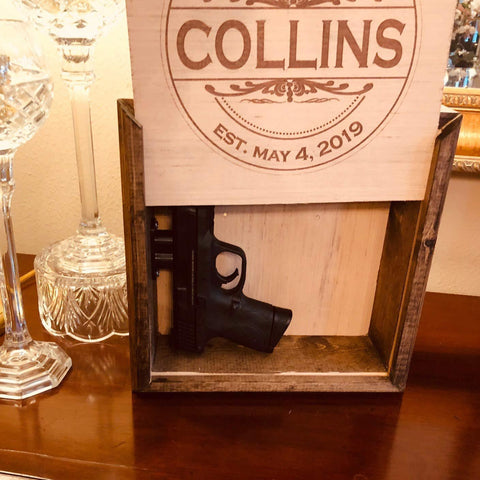
Furniture built with a hidden compartment sized to hold a firearm — nightstands, headboards, benches, shelves, and tables that function normally while keeping a weapon out of sight and within reach. It conceals rather than advertises, unlike a conventional gun safe.
Is gun concealment furniture secure enough?
It depends on the lock. Pieces with biometric, RFID, or keyed locks provide genuine access control. Pieces using only a magnetic catch or a false bottom provide concealment but not security, and shouldn't be relied on where anyone else has access to the room.
How fast can I reach a firearm stored this way?
Biometric and magnetic releases typically open in one to three seconds, which is why bedroom nightstands most often use them. Keyed and combination locks are slower and better suited to storage you don't need urgently.
Is concealment furniture safe in a home with children?
Only if it locks. Concealment and locking are not the same thing, and children find hidden compartments more often than adults expect. In any home with minors, choose a piece with a biometric, RFID, or keyed lock, and check whether your state sets a specific storage standard.
What is the difference between concealment furniture and a gun safe?
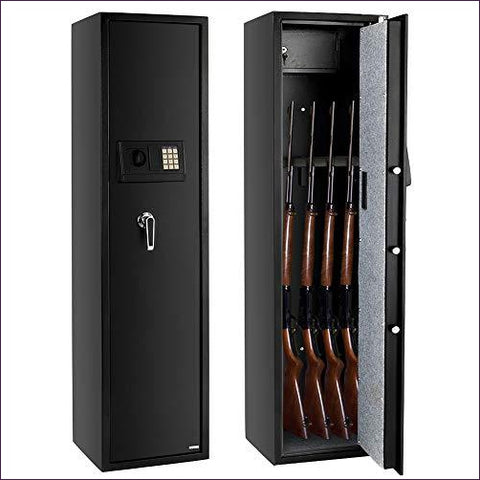
A gun safe protects against theft, fire, and forced entry, and is visibly a safe. Concealment furniture protects by not being noticed at all. Many owners use both: a rated safe for long-term storage, a concealment piece for the firearm they may need quickly.
Can concealment furniture hold a rifle or shotgun?
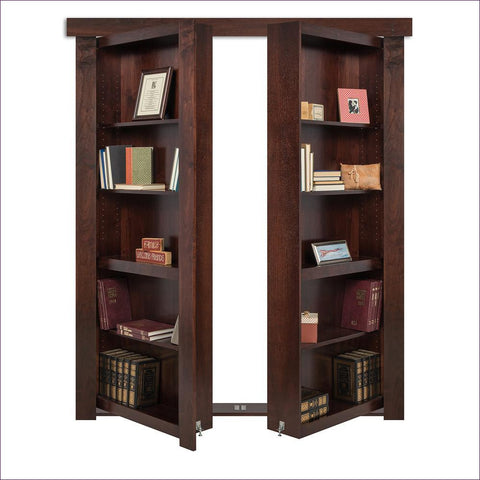
Some pieces can. Look for long-gun designs — full-length storage benches, bed frames with under-mattress compartments, tall wall shelves and mirrors, and deep cabinets. Always check internal compartment dimensions against your specific firearm.
What types of gun concealment furniture are available?
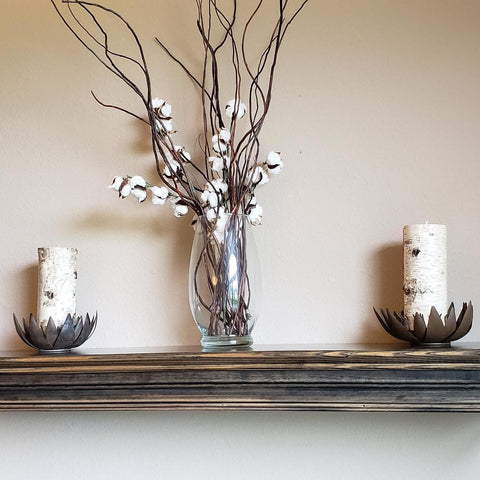
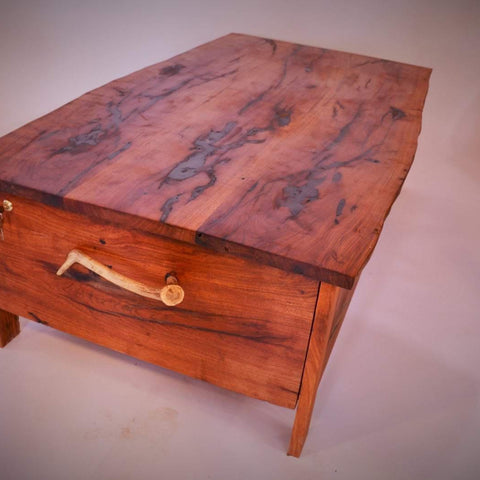
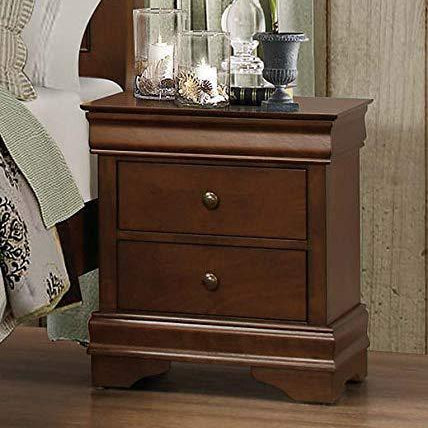
Nightstands with side or front quick-release drawers, headboards with hidden compartments, storage benches, coffee and end tables, wall shelves, mirrors, and cabinets. Bedroom pieces prioritize speed; living-room and entryway pieces prioritize blending in.
Where should I not put concealment furniture?
Avoid the places anyone searching a home checks first — the bedside drawer, the closet shelf, the dresser's top drawer. The advantage of concealment furniture is that it looks like it has no reason to be searched, so placing it somewhere ordinary and unremarkable is the point.
What lock types are used in gun concealment furniture?
Four main types. Magnetic locks open with a key magnet — fast and silent, but anyone who finds or brings a magnet can open them. RFID uses a card or fob held near a sensor. Biometric reads your fingerprint, with nothing to carry or lose. Keyed and combination locks are slowest but have no electronics to fail.
Where should I put gun concealment furniture in my home?
The bedroom is most common, where speed matters most — nightstands with side-release drawers and headboard compartments put a firearm within arm's reach. Living rooms suit coffee tables, end tables, and wall shelves. Entryways work well for storage benches and consoles where you want access on the way in or out.
Is gun concealment furniture fireproof?
No. These pieces protect against discovery and casual access, not fire, flood, or a determined attack with tools. If you need long-term protection for valuable firearms, use a fire-rated safe and treat concealment furniture as a complement rather than a replacement.
What should I consider before buying?
Work through it in order: who else is in the home, which decides whether you need a real lock; how fast you need access, which decides the lock type; which room, which decides the furniture format; what you are storing, which decides internal dimensions; and finally how it looks, since a piece that clashes with the room draws exactly the attention you are trying to avoid.
Does gun concealment furniture meet legal storage requirements?
It depends where you live. Firearm storage requirements vary considerably between states and municipalities, and several jurisdictions mandate specific locking standards, particularly in homes with minors. Check your local law before deciding what qualifies as secure storage in your area.